

Free play tables let you test your hand signals and betting rhythm before you ever sit at a live floor. For Aussie players who like a measured approach, that low-stakes space is where confidence builds without burning through a bankroll. The best digital rooms keep the experience tight, the maths honest, and the interface clear enough to read at a glance. If you want to check the current session layout before you commit, thepokies83.net login takes you straight to the practice tables. No pressure, no hurry, just a clean space to sort out your decisions.
Interface and Everyday Usability

A practice table should feel predictable from the first tap. Buttons sit where your thumbs naturally rest, card animations are quick without feeling rushed, and the bet slider never hides behind a menu you have to reopen every hand. Currency defaults to AUD, chips display in familiar denominations, and the deal speed stays steady even when the room gets busy as a Friday arvo at South Coast clubs. Navigation stays flat, so you move between single-deck, multi-hand, and split variations without losing your place. The visual identity leans on clean contrast rather than neon clutter, which matters when you are tracking values across several positions at once. Support sits in a fixed corner with a quick-reply option, and the help text reads in plain English instead of casino jargon. When you are learning timing or testing a new bet sizing approach, that kind of layout removes friction and keeps your attention on the cards. thepokies83.net login
Localisation and Practical Details
Localisation is where a room either feels built for the room or feels imported and slightly off. A solid practice setup keeps language, date formats, and chip values aligned with what you already use, so there is no mental translation layer slowing you down. Wollongong players, for instance, tend to prefer tables that reflect local pacing and familiar stake steps, rather than a generic template that ignores how regional crowds actually play. The same thinking applies to search and filtering: you want to find a specific variant by name, not scroll through a wall of unlabelled thumbnails. Payment screens in practice mode usually stay read-only or use demo credits, which is sensible because it keeps the focus on play rather than deposit flows. If a platform ever wants to bridge free play and real accounts cleanly, it should keep the transition obvious and the terms plain, not bury the path behind vague prompts. That kind of clarity is what separates a polished room from one that feels assembled in a hurry.
Strategy Practice and the Hard Count Reality
Practice mode is where you can test a plan without the noise of a live crowd. You can pause between hands, reset your bet size, and watch how a given approach behaves over a long run instead of judging it on three good hands. That matters because modern floors have changed the way dealers and staff handle routine tasks. Hard count used to refer to counting coins by hand, a fading task in modern casinos, and the same shift applies to how players should treat their own prep work. You are not there to chase a mythical edge; you are there to learn when to stand, when to split, and when a table rhythm is working against you. Ethan Hughes, Customer Experience Lead, Wattle Gaming Partners, puts it plainly: “Free-play blackjack is useful when it rewards repetition, not when it dresses up a demo as a lesson.” Alice King, Customer Experience Lead, Southern Star Esports, adds a useful caveat: “A practice table only earns trust if the dealing logic matches the live version, because mismatched timing teaches bad habits.” Those points are worth keeping in mind when you pick a room to rehearse in.
• Test one decision rule at a time instead of changing your whole approach mid-session
• Watch how the same hand plays out across different deck counts before you commit to a preference
• Keep notes on bet sizing and loss streaks so you can separate luck from a weak habit
• Treat demo credits as a pacing tool, not a scoreboard, because the numbers do not carry over to real play
Loyalty, Mobile, and the Player-Fit Verdict
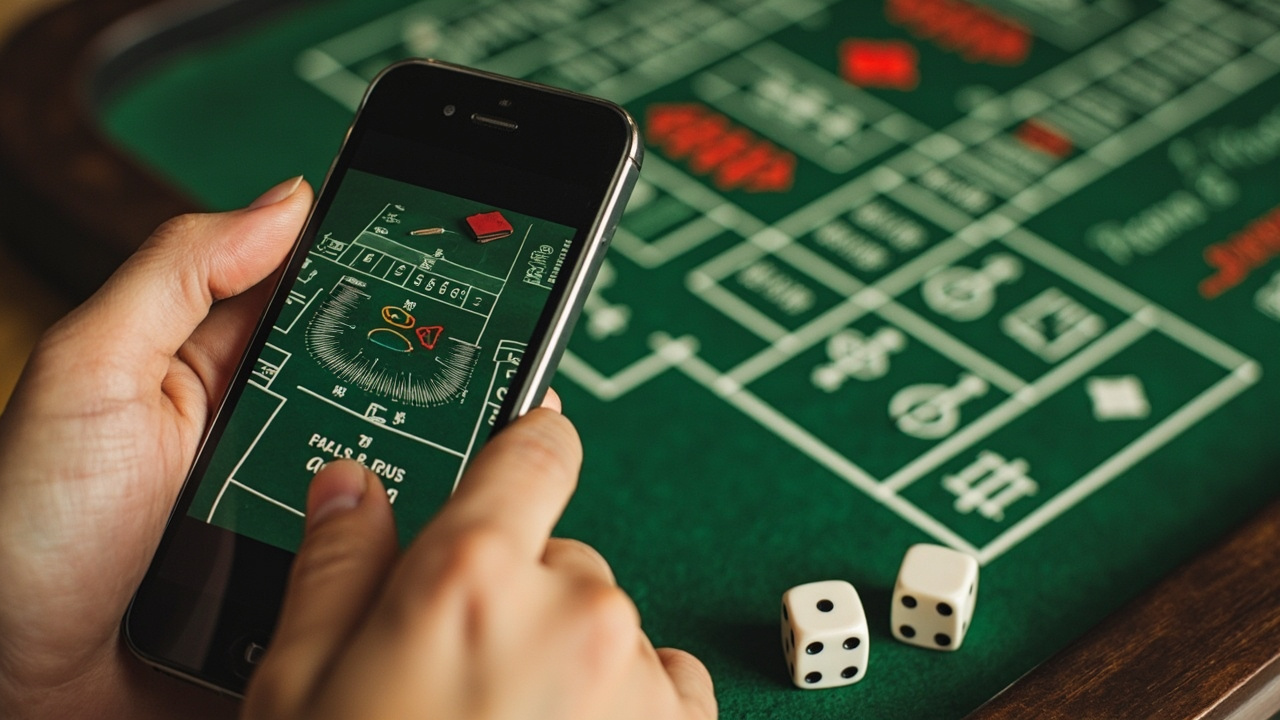
A good practice environment does more than teach cards; it shows you whether the wider product fits your style. Mobile play should mirror the desktop layout closely enough that your timing carries over, with buttons large enough for a phone but not so spaced out that you lose your place. Loyalty touches in this space are usually light and sensible, like tracking your practice time or offering variant shortcuts, rather than pushing a hard sell into a demo session. That restraint is exactly what I look for when I judge a premium experience: the room should feel attentive without becoming pushy, and the service layer should respect that free play is a choice, not a funnel. If you want a platform that keeps the practice tables tidy, the localisation honest, and the transition to real play clear, this kind of setup is a strong fit for deliberate players. If you prefer a faster, louder room with less structure, you may find the same space a bit too measured. Either way, the verdict is simple: use practice mode blackjack to build your rhythm, then decide whether the live product matches the discipline you just tested.